Cooling Solutions for Air Compressors and Refrigerated Air Dryers
2026-10-10
Cooling Solutions for Air Compressors and Refrigerated Air Dryers
Where heat is generated
Air compression raises temperature, and oil-injected screw compressors also transfer a large share of that heat into the lubricant. The oil cooler must keep viscosity and component temperature within the compressor manufacturer's operating window. Downstream, an aftercooler reduces discharge-air temperature so water vapour can condense and be removed before the air enters storage or treatment.
The refrigerated dryer duty
A refrigerated air dryer cools wet compressed air to condense moisture. A recuperative air-to-air section can pre-cool the incoming air with the outgoing dry air, reducing the load on the refrigeration circuit. The refrigeration section then brings the air to the required condition. Correct drainage and separation are as important as heat transfer because retained condensate can be carried into the downstream system.
Why compact plate-fin construction is used
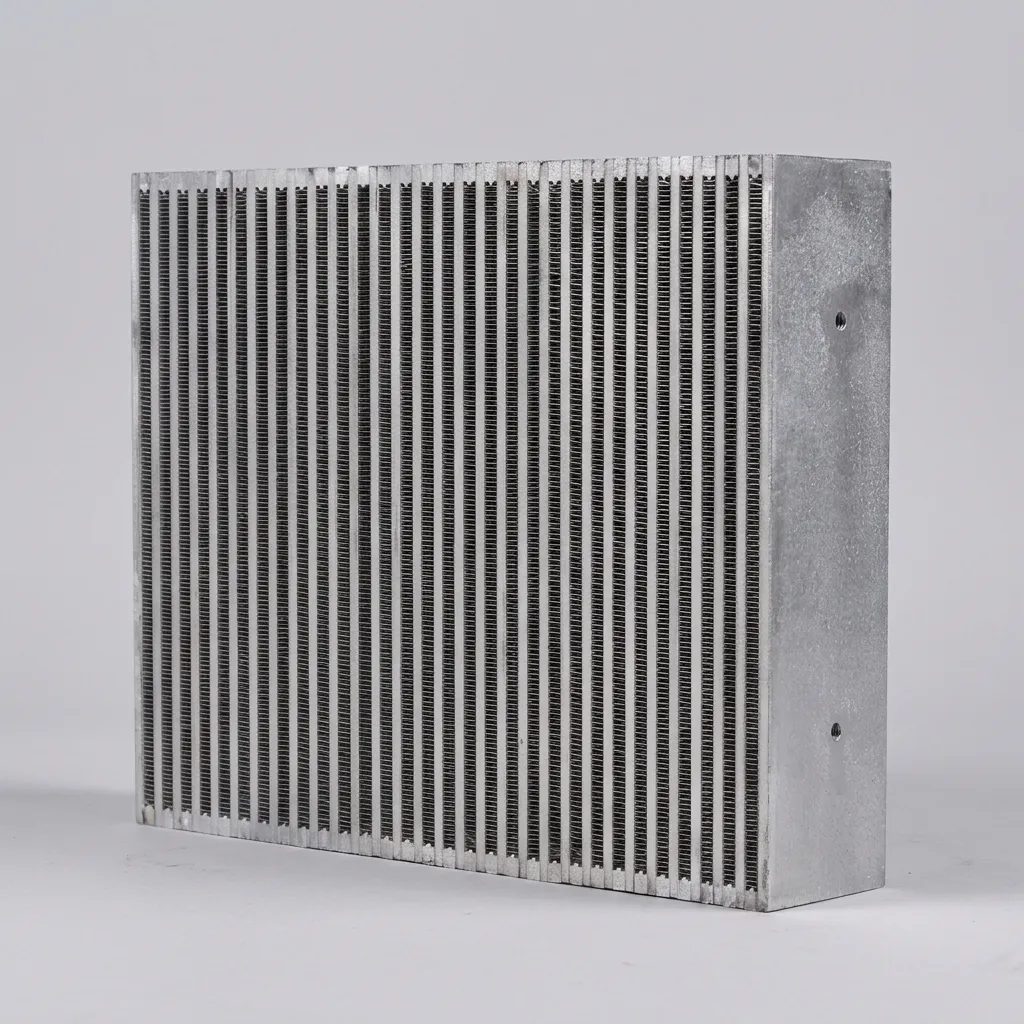
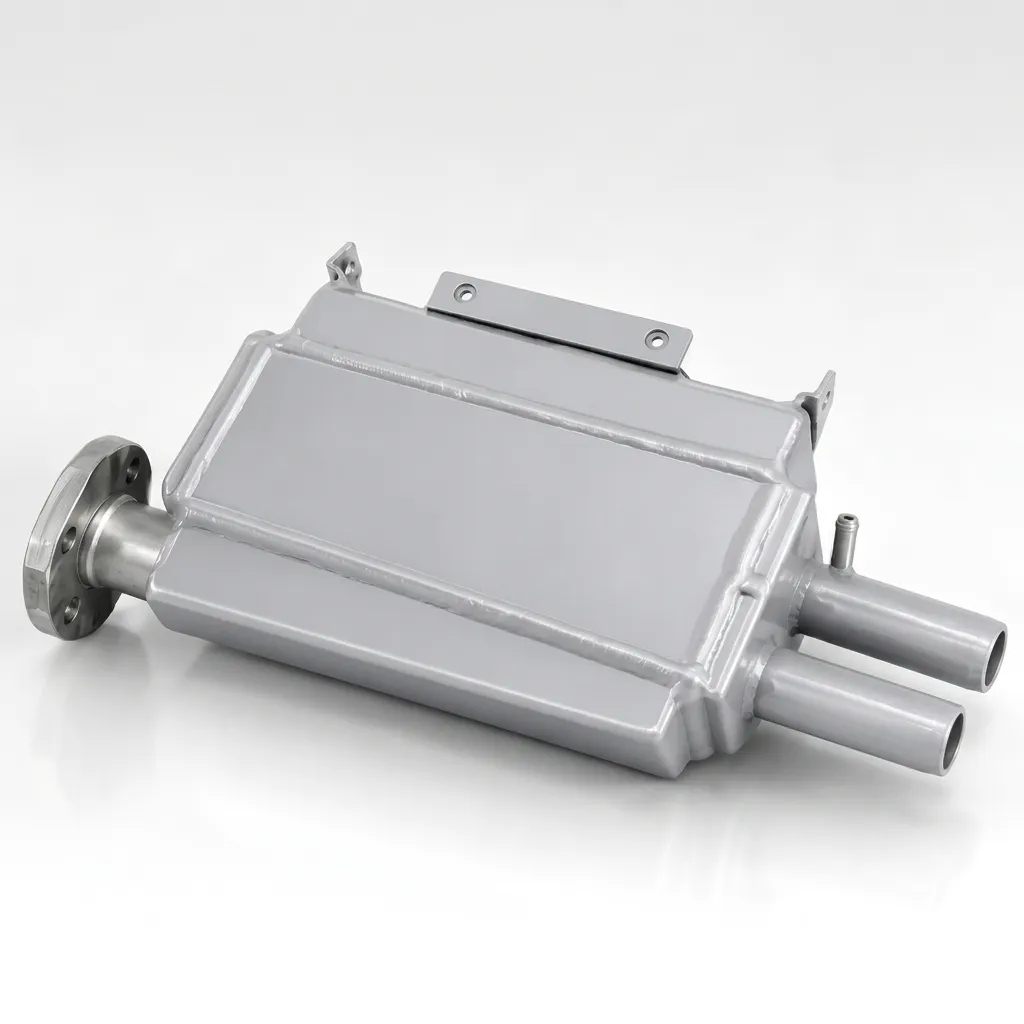
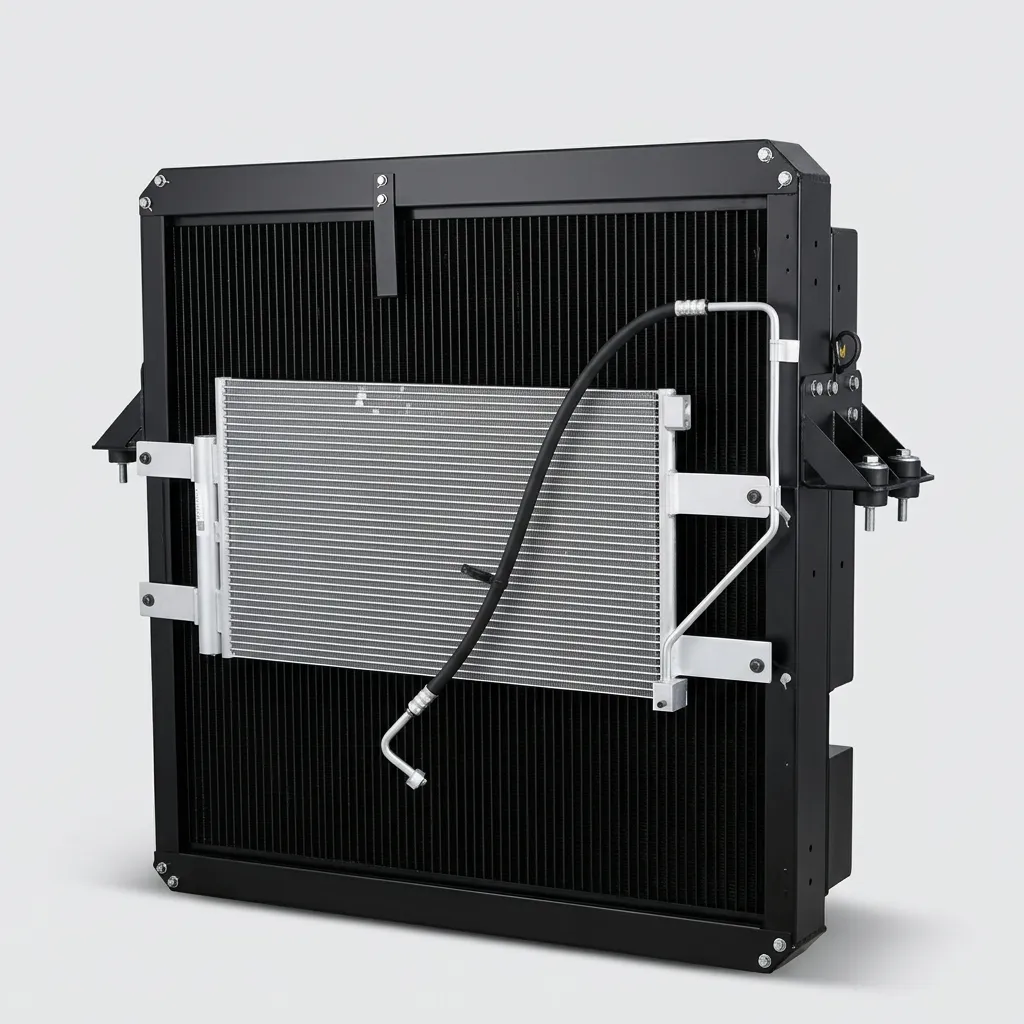
Aluminum plate-fin heat exchangers provide a high surface area in a compact volume. Different passages and fin geometries can be arranged for oil, compressed air, refrigerant and ambient air. The result can be a separate oil cooler, separate aftercooler, combined air-oil cooler or integrated dryer block. The most suitable arrangement depends on performance, pressure drop, cleanliness and service access.
Selection data for compressors
For an oil cooler, provide oil flow and type, inlet and target outlet temperatures, heat load, working and test pressure, allowable pressure drop, ambient temperature and airflow. For the air aftercooler, add compressed-air flow, inlet pressure and temperature, required outlet temperature and condensate considerations. Compressor power alone is useful for screening but is not enough for a final design.
Selection data for air dryers
State standard or actual air flow, inlet pressure and temperature, required pressure dew point, maximum ambient temperature, refrigerant, evaporating condition, allowable pressure drop, separator arrangement and connection layout. E&C's existing range covers compressor power from 4.5 kW to 250 kW and air-dryer capacity from 0.5 m3/min to 50 m3/min, with custom review outside standard configurations.
Validation and maintenance
The equipment manufacturer should validate performance under the complete system airflow and control logic. Keep fins clean, prevent recirculation of hot discharge air and inspect for blocked passages or damaged guards. The purchase specification should define leakage testing, cleanliness, protection of ports and export packing so the cooler arrives ready for assembly.
Specifying a compressor or dryer cooling package?
Send us your operating data, envelope and target schedule. Our engineers will recommend a separate, combined or integrated aluminum plate-fin solution.
Request a QuotationTell me what you need